The Roman Atrium — Heart of the Ancient House
What Was the Roman Atrium?
The atrium was the central hall just inside the entrance of a Roman house — the first large space a visitor reached after the narrow doorway. It was partly open to the sky through a roof opening called the compluvium, with the shallow impluvium basin below collecting rainwater. The roman atrium was the social, ceremonial and architectural heart of the domus.
Open to the Sky
The atrium's defining feature was its roof, which sloped inward toward a central rectangular opening. This compluvium let daylight and air pour into the windowless house and funnelled rain down into the impluvium pool. From the basin, water drained into an underground cistern, giving the household a private supply. The result was a bright, airy room at the core of an otherwise inward-looking home.
The Atrium's Roles
The atrium roman house space did many jobs at once:
- Reception — the master received clients here during the morning salutatio, seated toward the tablinum at the far end.
- Religion — the household shrine, the lararium, stood in or near the atrium, honouring the family's protective spirits.
- Ancestry — wax or painted imagines of distinguished ancestors were displayed to advertise the family's standing.
- Water — the impluvium and cistern made the atrium the house's water-collecting hub.
- Circulation — bedrooms (cubicula) and alcoves (alae) opened directly off it, so the atrium tied the whole front of the house together.
The Morning Salutatio
Each morning the atrium filled with clientes — clients and dependents who called on their patron to pay respects, request favours or receive a small gift. The grandeur of the atrium ancient rome households built was no accident: high ceilings, marble, and a clear sightline through to the garden were all meant to impress these visitors and reinforce the family's social rank.
Atria in Villas and Pompeii
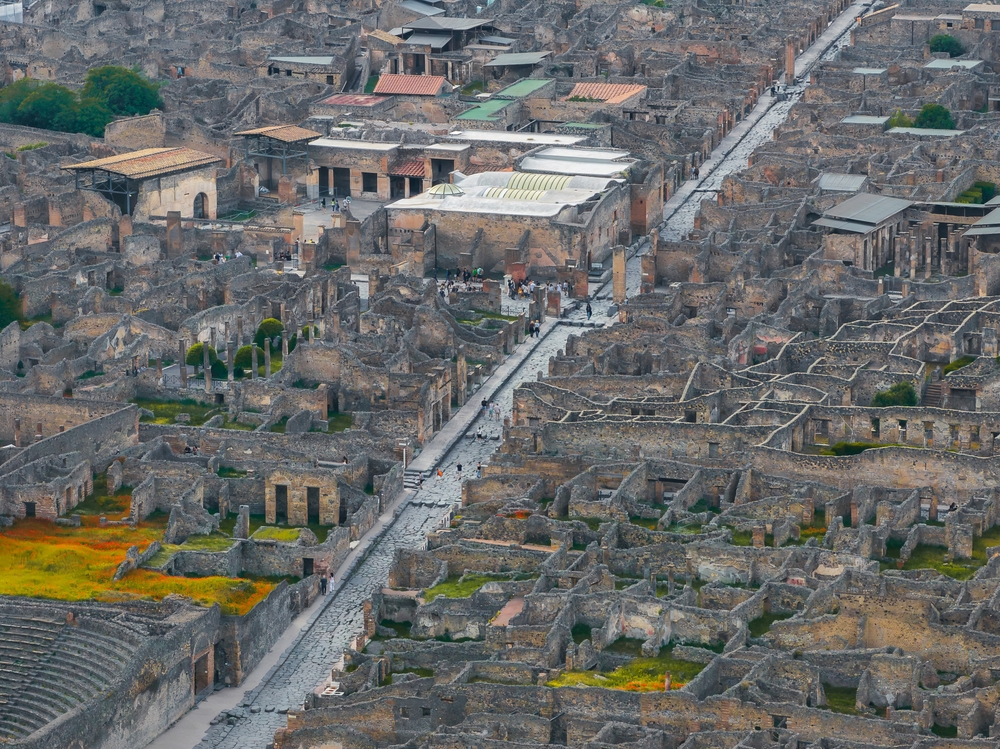
The roman villa atrium followed the same idea on a grander scale, sometimes paired with a second courtyard. In Pompeii you can still walk through well-preserved atria — the House of the Vettii and the House of the Faun both retain their central halls, impluvia and surrounding rooms. These survive because the 79 AD eruption sealed them under ash inside what is now the Pompeii Archaeological Park.
To understand the water system at the centre of the atrium, read about the impluvium. To see how the atrium fits the whole plan, see the house layout and the tablinum beyond it.
Pompeii: Small Group Tour with an Archaeologist
See real Roman houses standing in Pompeii — walk the streets with a professional archaeologist.
Frequently Asked Questions
What was the atrium in a Roman house?
The atrium was the central hall just inside the entrance of a Roman house. It was partly open to the sky through a roof opening called the compluvium, with a shallow pool (the impluvium) below to catch rainwater. The atrium was the social and ceremonial heart of the home.
Why was the atrium open to the sky?
The atrium's roof sloped inward to an opening called the compluvium, which let in light and air and channelled rainwater into the impluvium basin below. From there water drained into an underground cistern. This design lit and ventilated the windowless house while collecting a free water supply.
What was kept in the Roman atrium?
The atrium held the lararium, a household shrine to the family's protective spirits, and often the imagines — wax or painted images of distinguished ancestors. Strongboxes, the family records and symbols of the household's status were also displayed here, making the atrium a statement of lineage and wealth.
What was the salutatio?
The salutatio was the morning ritual in which clients and dependents called on their patron to pay respects and seek favours. It took place in the atrium, where the master received visitors seated near the tablinum. The atrium's grandeur was designed to impress these morning callers.