Tablinum — The Study of the Roman House Explained
What Was the Tablinum?
The tablinum was the study and office of the paterfamilias — the head of a Roman household. Positioned between the atrium and the rear peristyle garden, it was where the master kept the family's records, conducted business, and formally received his clients. It was the administrative and symbolic heart of the home.
The name probably derives from tabula, the writing tablets and account boards stored there. In effect it functioned as a private home office, a reception room, and a strongroom for documents all at once.
The Tablinum's Central Position
What made the tablinum special was its place on the main axis of the house. It stood directly opposite the front entrance, with the atrium in front of it and the peristyle behind. Because it usually had wide openings at both ends, it created one of the most famous features of Roman domestic design:
- A visitor at the front door looked through the entrance corridor (the fauces).
- Their gaze crossed the atrium, with its impluvium basin catching daylight.
- It passed through the open tablinum.
- And came to rest on the green, sunlit peristyle garden beyond.
This single uninterrupted sightline displayed the household's order and prosperity the instant a guest stepped inside. Curtains or sliding wooden screens let the paterfamilias close the room for private dealings.
What Happened in the Tablinum
The tablinum hosted the household's most important daily ritual and its record-keeping:
- The salutatio — each morning the master received his clientes (dependants and supporters), hearing requests and granting favours.
- Business and contracts — agreements were drawn up, accounts reviewed, and money matters settled.
- Family archives — documents, wax writing tablets, deeds and sometimes the imagines (ancestral portrait masks) were kept here.
- Display of status — frescoes, fine flooring and the framed garden view all signalled the family's standing.
The Tablinum at Pompeii
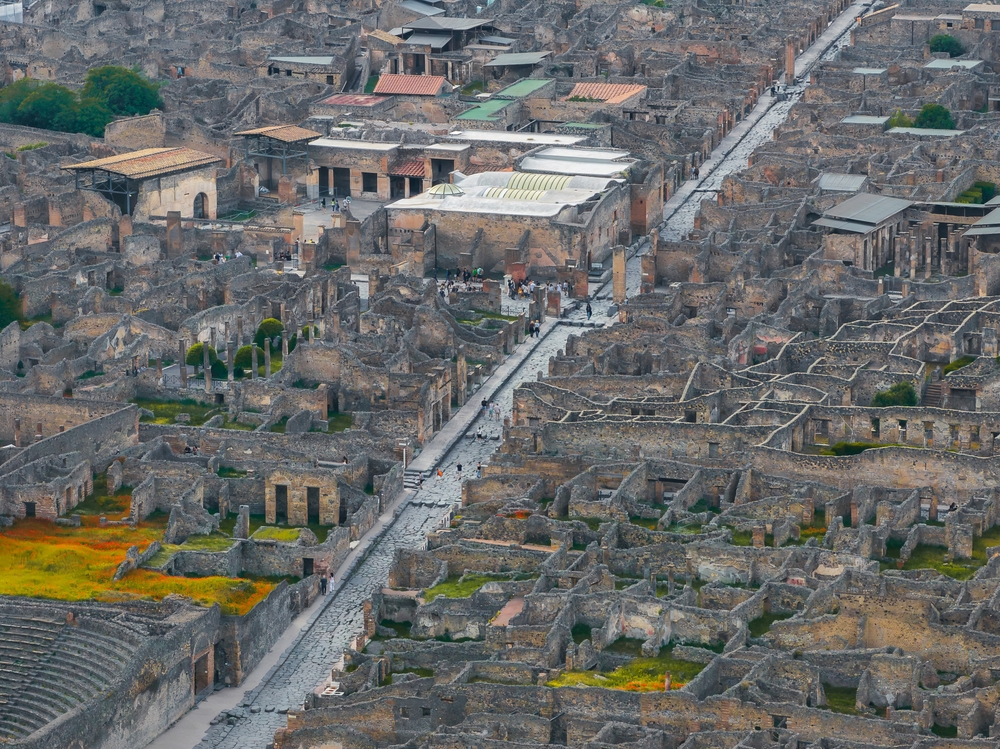
In Pompeii's houses you can still trace the tablinum as the prominent room opening off the far side of the atrium, often raised slightly or richly decorated. In grander homes such as the House of the Vettii the surrounding rooms preserve vivid frescoes, while the central axis to the garden remains easy to read. Because the tablinum sat at the crossing point of public and private life, it tells us a great deal about how Romans blended family, business and display under one roof. Check which houses are open on the day at pompeiisites.org.
Pompeii: Small Group Tour with an Archaeologist
See real Roman houses standing in Pompeii — walk the streets with a professional archaeologist.
Frequently Asked Questions
What was the tablinum in a Roman house?
The tablinum was the main study or office of the paterfamilias, the head of the household. It sat on the central axis between the atrium and the rear peristyle garden. Here the master kept family records and documents, conducted business, and formally received clients during the morning salutatio greeting ritual.
Where was the tablinum located?
The tablinum stood between the atrium and the peristyle, directly opposite the main entrance. This central position let it command the house. Because it usually opened on both sides, anyone standing at the front door could see straight through the atrium, across the tablinum, and into the sunlit garden beyond.
Who used the tablinum?
The tablinum belonged to the paterfamilias, the male head of the family. It was his private office and reception space. Each morning he sat there to greet his clients during the salutatio, dispense advice or favours, and manage the household's accounts, contracts and important documents kept on shelves and in chests.
Why was the tablinum open at both ends?
Its open design created a deliberate sightline. From the front door a visitor looked through the atrium, through the tablinum, and into the peristyle garden, framing wealth and order in a single view. Curtains or wooden screens could close the tablinum off for privacy when business required it.