Pompeii Gardens: Roses, Flowers and Peristyles
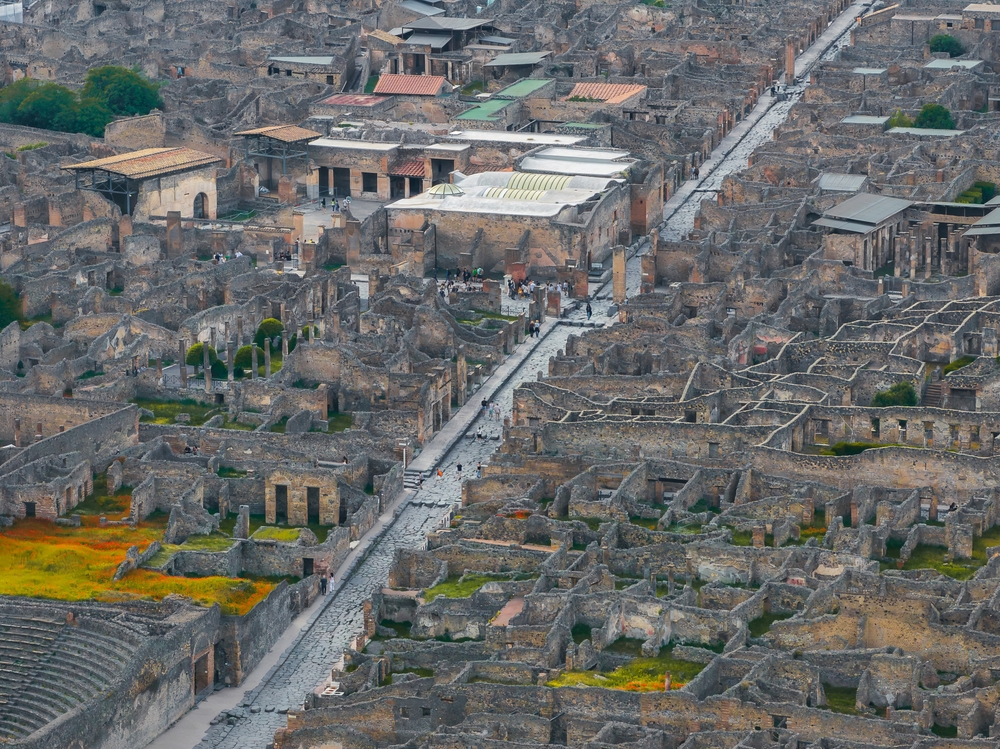
The Gardens of Pompeii
The gardens of Pompeii were the green heart of the Roman house and the city alike — courtyards filled with roses, violets, vines, fruit trees, and herbs, surrounded by columned walkways. Astonishingly, archaeologists have reconstructed these gardens in precise detail using the cavities left by decayed roots, preserved pollen and seeds, and the lush garden scenes painted on the walls.
This combination of evidence makes Pompeii unique. Almost nowhere else can the actual planting of an ancient garden be recovered, plant by plant and tree by tree. The result is that the pompeii gardens are not guesswork but a genuine botanical snapshot of a Roman city frozen in 79 AD — and several have been replanted so visitors can walk through them today.
How the Gardens Were Reconstructed
The breakthrough came from the American archaeologist Wilhelmina Jashemski, who from the 1950s onward applied to gardens the same logic Giuseppe Fiorelli had used for bodies. When a tree or shrub decays underground, its roots leave a hollow void in the hardened volcanic deposit. By carefully pouring plaster into these cavities, Jashemski recovered casts of root systems — revealing the exact species, size, and spacing of the plants that once grew there.
She combined these casts with other lines of evidence to read each garden:
- Root cavities — showing the position and scale of trees, vines, and shrubs.
- Carbonised seeds and wood — identifying species such as olive, fig, and cherry.
- Pollen analysis — revealing flowers and grasses that left no other trace.
- Garden frescoes — wall paintings depicting the very plants and birds of the courtyard, used as a cross-check.
- Planting features — pots, trenches, trellis holes, and irrigation channels in the soil.
What Grew in a Pompeian Garden
The reconstructed planting shows gardens that were both beautiful and productive. Ornamental beds mixed freely with food crops, so a single courtyard might combine scent, shade, and a harvest. Documented and likely plants include the following.
- Roses — the celebrated pompeii rose, grown in quantity for beauty and for industry.
- Violets, lilies, and other flowers — for colour, scent, and garland-making.
- Grapevines — trained on trellises for shade and wine; whole garden-vineyards existed.
- Fruit and nut trees — figs, olives, cherries, almonds, pears, and pomegranates.
- Herbs — culinary and medicinal plants such as rosemary, mint, and bay.
- Boxwood and ivy — clipped for hedging, borders, and decorative greenery.
Flowers, Perfume, and Garlands
The pompeii flowers were not only decorative. The area around Pompeii was a recognised centre of flower cultivation and the perfume trade. Roses and other blooms supplied workshops that produced scented oils (unguenta), while fresh flowers were woven into the garlands worn at banquets, weddings, and religious festivals. Several Pompeian businesses appear to have been involved in this fragrant industry, and the prominence of the pompeii roses in both gardens and economy reflects how deeply flowers were woven into daily Roman life. This world of scent and ornament sat alongside the city's broader culture and its love of decorated frescoes.
The Peristyle Garden at the Heart of the House
In the typical Roman house, the garden lived in the peristyle — a colonnaded courtyard at the rear, open to the sky. Surrounded by columns and often centred on a pool or fountain, the peristyle garden brought light, air, and nature into the home, and its walls were frequently painted with illusionistic garden scenes that made the space feel larger and greener still. To understand how this courtyard fitted into the layout of the Roman home, see the peristyle page.
Gardens You Can See Today
Several Pompeian gardens have been replanted to recreate their ancient appearance, using species documented at the site. The garden of the House of the Vettii is among the most admired, restored with beds, fountains, and statuary around its colonnade. The Garden of the Fugitives preserves a former vineyard whose vine layout was reconstructed from root cavities — and where plaster casts of victims lie among the rows, a haunting reminder that these green spaces were part of a living, dying city. Walking them today is the closest a visitor can come to standing in a Roman garden of the ancient city.
Related Pages
Pompeii: Small Group Tour with an Archaeologist
See it with an expert — a small-group walk through Pompeii led by a professional archaeologist.
Frequently Asked Questions
What plants grew in the gardens of Pompeii?
Pompeii's gardens grew a rich mix of ornamental and useful plants: roses, violets, lilies, and other flowers; grapevines; fruit and nut trees such as figs, olives, cherries, almonds, and pomegranates; and culinary and medicinal herbs. Boxwood and ivy were used for hedging and decoration. Evidence comes from root cavities, carbonised seeds, pollen, and garden frescoes.
How do archaeologists know what was planted in Pompeii?
The pioneering work was done by archaeologist Wilhelmina Jashemski. When roots decay they leave cavities in the hardened ash, just as bodies did; by pouring plaster into these voids she recovered the exact size and spacing of trees and shrubs. Combined with pollen, carbonised seeds, and the plants painted in garden frescoes, this lets researchers reconstruct the original planting.
Were roses really grown in Pompeii?
Yes. The Pompeii rose was prized, and the region was a centre of rose cultivation in Roman Italy. Roses and other flowers fed local perfume and garland industries, supplying scented oils and the flower wreaths worn at banquets and festivals. Frescoes, written sources, and botanical evidence all confirm the importance of roses around Pompeii.
Can you see the gardens at Pompeii today?
Yes. Several peristyle gardens have been replanted to recreate their ancient appearance, most famously the House of the Vettii and the Garden of the Fugitives, whose vineyard layout was reconstructed from root cavities. These replanted gardens use species documented at the site, giving visitors a living impression of how Pompeian courtyards once looked.