Impluvium — The Atrium Rainwater Basin in a Roman House
What Was the Impluvium?
The impluvium was the shallow, rectangular basin set into the floor at the centre of a Roman house's atrium. Its single job was to catch rainwater falling through the compluvium — the matching opening in the roof above — and channel it down into an underground cistern for household use.
This pairing is the heart of the design. The atrium roof sloped inward on all four sides toward a central rectangular gap (the compluvium). When it rained, the tiles funnelled the water through that gap, and it dropped neatly into the impluvium directly below. Because the two features always lined up, builders sized one to match the other.
How the Impluvium and Compluvium Worked
The system was elegant and required no machinery — only gravity and careful roof geometry.
- Compluvium — the inward-sloping rectangular opening in the atrium roof; the tiled edges acted like a funnel for rain.
- Impluvium — the lined basin in the floor beneath it; usually marble-edged or plastered, a few centimetres deep.
- Drain — a small outlet in the floor of the basin carried overflow down to the cistern.
- Cistern — an underground tank, often brick-lined, that stored the collected rainwater.
- Puteal — a stone wellhead set beside the impluvium, through which the household drew water back up; many show grooves worn by ropes.
| Feature | Location | Function |
|---|---|---|
| Compluvium | In the atrium roof | Funnels rainwater inward |
| Impluvium | In the atrium floor | Catches the falling water |
| Drain | Floor of the impluvium | Sends water to the cistern |
| Cistern | Underground | Stores the water supply |
| Puteal | Beside the basin | Wellhead for drawing water up |
Why It Mattered
Before piped aqueduct water reached private homes, the impluvium gave a household its own rainwater supply for cooking, cleaning and watering plants. Even after aqueducts arrived in towns like Pompeii, the impluvium kept its role — partly practical, partly decorative. A bright pool of water at the centre of the atrium caught daylight from the compluvium and threw rippling reflections onto the surrounding walls and frescoes, making the entrance hall feel cool, open and impressive to arriving guests.
Seeing It at Pompeii
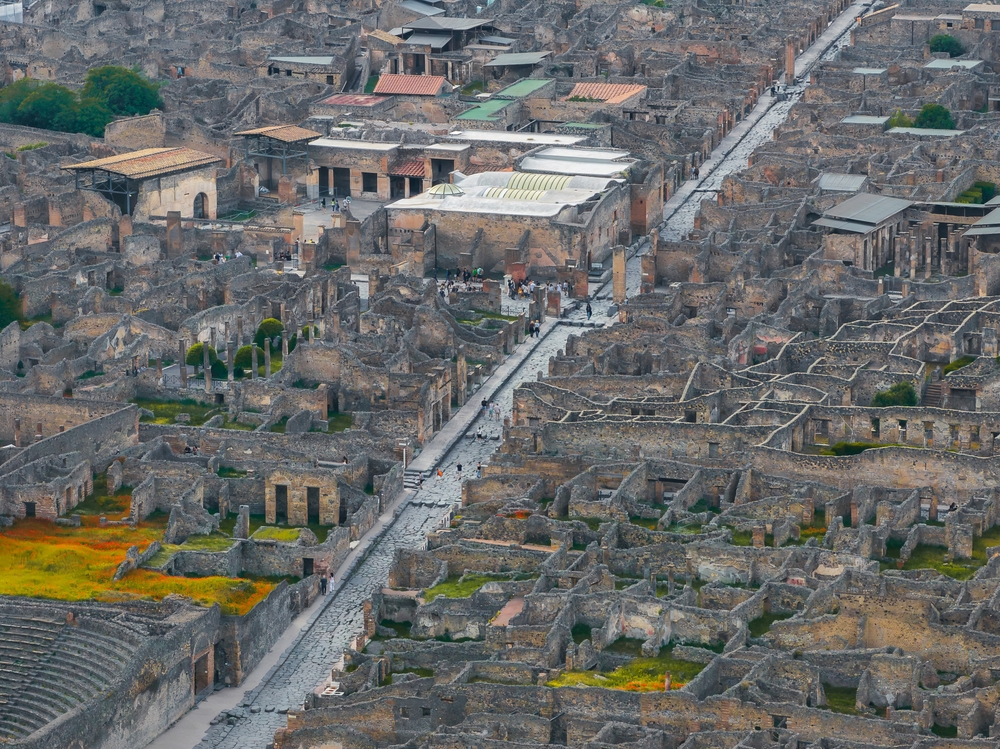
Many of Pompeii's surviving houses still show their impluvium clearly. Look for the lined rectangular dip in the first large room beyond the entrance fauces. In grander homes such as the House of the Faun the basin is framed in marble; in modest houses it is simply plastered. Where a puteal wellhead survives beside the basin, you are looking at the exact spot where a Roman family drew its daily water two thousand years ago. Always confirm which houses are open on the day of your visit at pompeiisites.org, as access rotates for conservation.
Pompeii: Small Group Tour with an Archaeologist
See real Roman houses standing in Pompeii — walk the streets with a professional archaeologist.
Frequently Asked Questions
What was the impluvium in a Roman house?
The impluvium was a shallow, rectangular basin sunk into the floor at the centre of the atrium. It caught rainwater that poured in through the compluvium, the matching opening in the roof above. The water collected there drained into an underground cistern, giving the household a private supply for washing and cooking.
What is the difference between impluvium and compluvium?
They are a paired roof-and-floor system. The compluvium is the rectangular opening in the atrium roof, with tiles sloping inward to funnel rain. The impluvium is the basin directly below it in the floor that catches that falling water. One is in the ceiling, the other in the ground, and they always align.
Where did the impluvium water go?
Water collected in the impluvium drained through a small outlet into an underground cistern beneath the atrium. Householders drew it back up through a puteal, a stone wellhead set beside the basin. Many examples survive at Pompeii, often with rope-worn grooves on the puteal rim.
Can you still see an impluvium at Pompeii?
Yes. Well-preserved impluvia survive in the House of the Faun, the House of the Vettii and many smaller homes. You can usually identify them as a marble-lined or plastered rectangular dip in the centre of the first room, sometimes with the puteal wellhead still standing beside it.