Porta Marina Pompeii — The Main Visitor Entrance
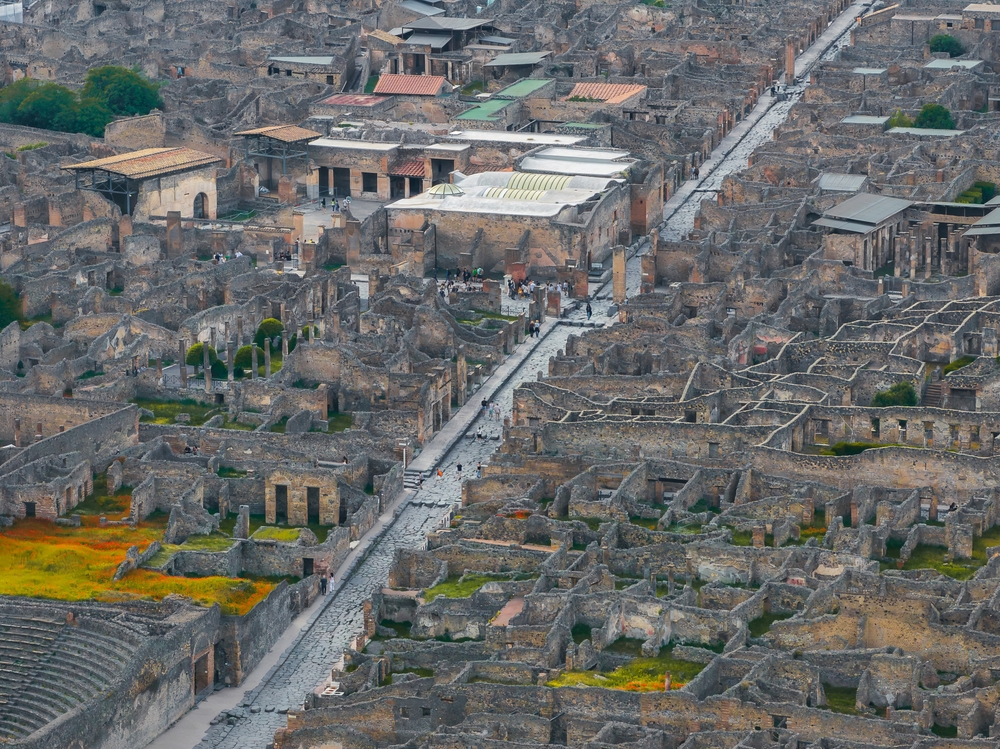
What Is Porta Marina?
Porta Marina is the steep gate on the southwest side of Pompeii, facing the sea. It originally had two passages — one for pedestrians, one for pack animals — and today serves as Porta Marina Superiore, the main visitor entrance, reached on foot from the Pompei Scavi – Villa dei Misteri station.
The Ancient Sea Gate
In antiquity the coastline ran far closer to Pompeii than it does now, and this gate opened toward the sea and the Sarno river harbour, hence its name. Its steep ramp climbed up into the city, and to manage the flow of people and goods on that slope it was built with two separate arched passages: a narrower one reserved for pedestrians and a wider one for pack animals, carts, and merchandise moving to and from the port.
A Practical, Defensible Gate
The gate's design reflects both commerce and security. The climbing approach naturally slowed traffic, while the twin passages kept foot travellers safely apart from laden mules. Just inside and above the gate stood the Temple of Venus, the city's patron goddess, so arrivals from the sea were greeted by her sanctuary almost immediately. See our Temple of Venus page for more.
The City Gates and Modern Entrances
Ancient Pompeii was ringed by a defensive wall pierced by several gates, including Porta Marina, Porta Ercolano, Porta Vesuvio, Porta Nola, Porta Sarno, Porta di Nocera, and Porta Stabia. Today, however, visitors use just three official entrances:
| Entrance | Best reached from | Notes |
|---|---|---|
| Porta Marina Superiore | Pompei Scavi – Villa dei Misteri (Circumvesuviana) | Main entrance; near the Forum and Temple of Venus |
| Piazza Esedra | Same Circumvesuviana station | Beside Porta Marina; often used for groups |
| Piazza Anfiteatro | Pompei station (Trenitalia), modern town | Closest to the amphitheatre, in the southeast |
Getting There and Practicalities
From Naples, take the Circumvesuviana (Naples–Sorrento line) about 36 minutes to Pompei Scavi – Villa dei Misteri, right beside Porta Marina. From Sorrento the same line takes about 30 minutes. The three entrances and the station have cloakroom and luggage facilities; large suitcases are generally not allowed inside. For full travel options see our how to get there guide, and always confirm current hours and tickets on the official site pompeiisites.org.
Pompeii: Small Group Tour with an Archaeologist
See it with an expert — a small-group walk through Pompeii led by a professional archaeologist.
Frequently Asked Questions
What is Porta Marina in Pompeii?
Porta Marina is the steep gate on the southwestern side of the ancient city, facing the sea. It originally had two passages — one for pedestrians and one for pack animals — and today serves as Porta Marina Superiore, the main visitor entrance, reached on foot from the Pompei Scavi train station.
Why did Porta Marina have two passages?
The gate had two arched passages to separate traffic on its steep approach: a smaller one for pedestrians and a wider one for pack animals and goods. This division kept people clear of laden mules and carts climbing the slope from the harbour area below the city.
Which entrance should I use to enter Pompeii?
Most visitors arriving from Naples or Sorrento use Porta Marina Superiore, a short walk from the Pompei Scavi – Villa dei Misteri Circumvesuviana station. Those arriving by Trenitalia at the modern Pompei station are closer to the Piazza Anfiteatro entrance. Piazza Esedra is a third option beside Porta Marina.
Where does the name Porta Marina come from?
The name means sea gate, because this gateway faced toward the sea on the southwest side of Pompeii, where the coastline lay much closer in antiquity than it does today. It was the gate through which traffic moved between the city and its harbour and the Sarno river.