Pompeii at the Naples Museum (MANN): Where the Art Is
Where Are Pompeii's Artifacts? At the Naples Museum
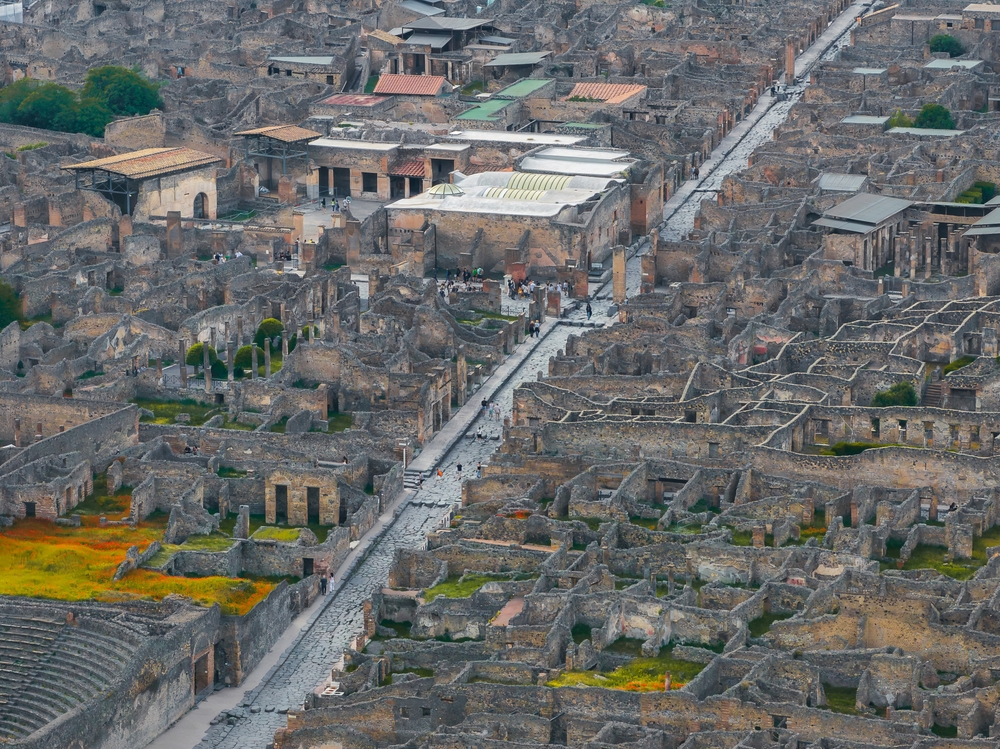
Most of Pompeii's finest movable treasures are not at the ruins — they are in the Naples National Archaeological Museum, known by its Italian initials MANN. The greatest mosaics, frescoes, bronzes, sculptures, and everyday objects were removed over the centuries to protect them, making MANN effectively the treasury of ancient Pompeii. To understand the city fully, you need both: the architecture on site and the art in Naples.
This catches many visitors out. You can spend hours in the House of the Faun and never see the famous mosaic that made it famous — because it now hangs in MANN. The same is true of the most spectacular frescoes and bronzes. Knowing this in advance lets you plan a visit that captures the whole picture.
Why So Much Was Moved to Naples
The removals began with the Bourbon kings in the 18th century, who excavated Pompeii and Herculaneum and carried the best finds to their royal collections in Naples. The practice continued for sound conservation reasons: exposed to sun, rain, and the risk of theft, fragile mosaics and frescoes would not have survived in place. Concentrating them in a single, controlled museum protected them and made them accessible. The result is that MANN holds an unrivalled collection of Roman art drawn almost entirely from the Vesuvian cities.
Highlights of the Pompeii Collection at MANN
The museum's Pompeii-related holdings are world-class. The essential highlights include:
- The Alexander Mosaic — the vast, dramatic floor mosaic showing Alexander the Great charging the Persian king Darius, taken from the House of the Faun. One of antiquity's masterpieces.
- The Dancing Faun — the elegant bronze statue that gave the House of the Faun its name (a copy stands on site).
- Pompeian frescoes — a dazzling gallery of wall paintings in the famous "Pompeian red," lifted from villas across the buried cities. See our overview of Pompeii's frescoes.
- The Farnese Collection — monumental sculptures including the colossal Farnese Hercules and the towering Farnese Bull.
- Everyday objects — glassware, surgical instruments, jewellery, kitchenware, and carbonised food that reveal ordinary Roman life.
- The Secret Cabinet (Gabinetto Segreto) — a dedicated room of erotic art and objects, long hidden from public view and now open, offering a frank look at Roman sexuality.
- Mosaics and intricate floor panels — beyond the Alexander Mosaic, a rich array of decorative and figurative mosaics from Pompeian houses.
How to Combine MANN with a Pompeii Visit
The two sites pair naturally, and both are easy to reach from Naples. A common, satisfying plan:
| Step | What to do | Notes |
|---|---|---|
| Day 1 morning | Take the Circumvesuviana to Pompei Scavi and explore the ruins | Allow 3-5 hours; see the architecture and plaster casts in place |
| Day 1 afternoon / Day 2 | Visit MANN in central Naples | A few hours for the highlights; near the Museo metro stop |
| Sequence choice | Ruins first, then museum — or reverse | Ruins-first helps you picture layout; museum-first helps you place each artwork |
If you only have one day, you can still do both: a focused morning at Pompeii and an afternoon at the museum is tight but achievable, since the Circumvesuviana links them in well under an hour. For getting between them, see our Naples guide and the main visitor guide. However you arrange it, seeing the ruins and the museum together is the single best way to grasp what Pompeii really was — a wealthy, art-filled Roman city, half preserved on site and half safeguarded in Naples.
Related Pages
Skip-the-Line Ticket with Audio Guide
Skip the queue at the entrance — instant mobile ticket, self-guided audio tour and map included.
Frequently Asked Questions
Where are most Pompeii artifacts kept?
Most of Pompeii's finest movable artifacts are in the Naples National Archaeological Museum (MANN), not at the ruins. The greatest mosaics, frescoes, bronzes, and sculptures were removed over the centuries to protect them from weather and theft. The site itself keeps architecture, plaster casts of victims, and a selection of objects in place.
What can you see at the Naples museum from Pompeii?
MANN holds the Alexander Mosaic from the House of the Faun, the dancing Faun bronze, vivid frescoes from Pompeian villas, the Farnese sculpture collection, everyday objects, and the Secret Cabinet of erotic art. It is effectively the treasury of Pompeii's portable masterpieces, complementing what remains on site at the ruins.
Should you visit the Naples museum before or after Pompeii?
Either works, but many people prefer the ruins first to grasp the city's layout, then MANN to see the art in detail. Visiting the museum first, however, helps you picture where each mosaic and fresco originally stood. If you have two days based in Naples, doing both is the ideal way to understand Pompeii fully.
What is the Secret Cabinet at the Naples museum?
The Secret Cabinet (Gabinetto Segreto) is a dedicated room at MANN holding erotic and sexually explicit art and objects recovered from Pompeii and Herculaneum. Long kept hidden from public view because of its content, it is now open to visitors, sometimes with an age restriction. It offers a frank window into Roman attitudes to sexuality.