Pompeii UNESCO World Heritage Site — Why It Qualified
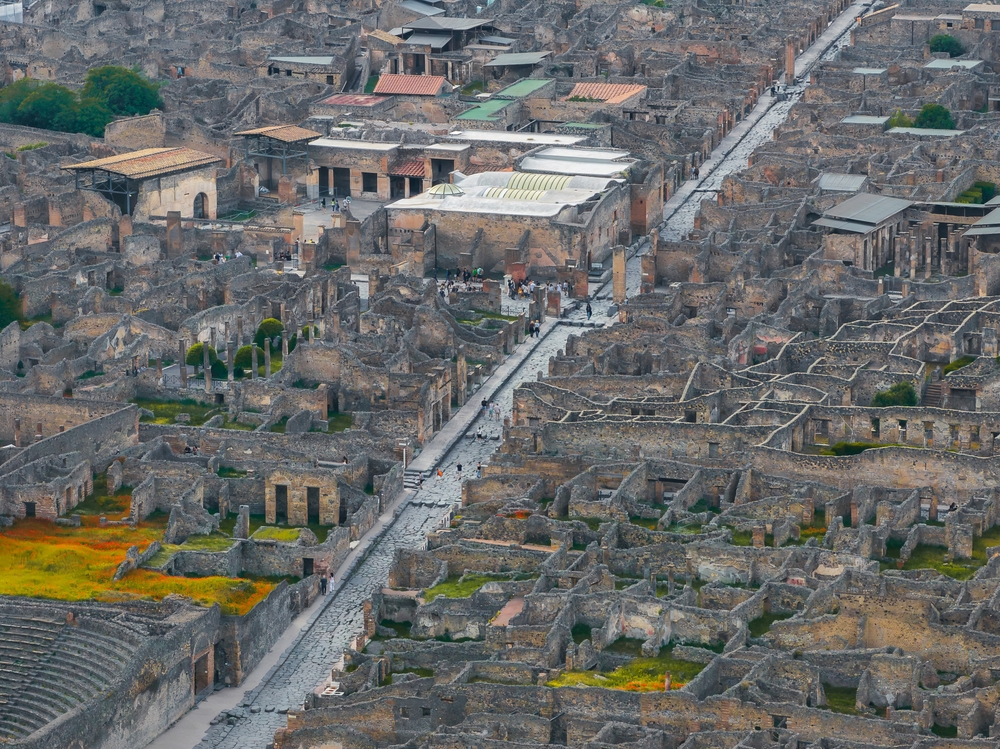
Is Pompeii a UNESCO World Heritage Site?
Yes. In 1997, UNESCO inscribed the "Archaeological Areas of Pompeii, Herculaneum and Torre Annunziata" on the World Heritage List. The listing recognises these buried Roman towns as an exceptional and complete testimony to daily life in the Roman world, sealed and preserved by the 79 AD eruption of Mount Vesuvius.
The World Heritage designation is not just an honour. It commits Italy to protecting and conserving the sites, and it places Pompeii alongside places such as the pyramids of Giza and the Acropolis as part of the shared cultural heritage of humanity.
What the Listing Covers
The inscription is not a single ruin but a serial property of three connected archaeological areas, all victims of the same eruption:
| Component | Location | Why it matters |
|---|---|---|
| Pompeii | Pompei, Campania | The largest and most complete Roman town, with streets, homes, shops, baths and the forum |
| Herculaneum | Ercolano | A smaller, wealthier town buried deeper, preserving wood, food and upper storeys |
| Torre Annunziata (Oplontis) | Torre Annunziata | Luxurious seaside villas, including the spectacular Villa of Poppaea |
Together these components protect the finest surviving examples of Roman urban and domestic life anywhere in the world.
Why Pompeii Qualified for World Heritage Status
UNESCO sites must demonstrate outstanding universal value by meeting specific criteria. The Pompeii inscription rests on two qualities in particular:
- Authenticity. The towns were buried intact in a single event and forgotten for around 1,500 years. The buildings, frescoes and objects are genuine, in their original positions, not later reconstructions. Visitors see the true fabric of a Roman town.
- Completeness. Most ancient sites survive only in fragments. Pompeii and its neighbours preserve entire street grids, public buildings, private houses, gardens, workshops and the everyday possessions of their inhabitants, offering a uniquely full record of Roman society.
The committee also recognised the sites' role in the history of archaeology itself. The systematic methods first developed at Pompeii in the 18th and 19th centuries, including stratigraphic excavation and the plaster casting of victims, shaped the modern discipline.
"National Park" Status and Management
People sometimes ask about Pompeii's "national park status." In Italy the site is managed as an archaeological park, the Parco Archeologico di Pompei, which oversees conservation, research and visitor access. This is distinct from the UNESCO World Heritage inscription, though both aim to safeguard the same exceptional remains for future generations. For visiting details and current information, the official source is pompeiisites.org.
Pompeii VIP Tour — Reserve Your Date
A World Heritage Site deserves a premium visit — reserve a guided experience and pick your date.
Frequently Asked Questions
Is Pompeii a UNESCO World Heritage Site?
Yes. In 1997 UNESCO inscribed the 'Archaeological Areas of Pompeii, Herculaneum and Torre Annunziata' on the World Heritage List. The listing recognises these buried Roman towns as an exceptional and complete testimony to daily life in the Roman world, frozen by the 79 AD eruption of Mount Vesuvius.
When did Pompeii become a UNESCO site?
Pompeii was inscribed as a UNESCO World Heritage Site in 1997, at the 21st session of the World Heritage Committee. The listing covers Pompeii together with the nearby sites of Herculaneum and Torre Annunziata (Oplontis), all destroyed by the same eruption of Vesuvius in 79 AD.
Why did Pompeii qualify for World Heritage status?
Pompeii qualified because of its outstanding universal value: the towns were sealed intact and offer an unusually authentic, complete picture of a Roman provincial town and its art, architecture and daily life. Their preservation by volcanic ash, and their role in the birth of modern archaeology, make them globally significant.
What areas are included in the Pompeii UNESCO listing?
The inscription covers three components: the archaeological area of Pompeii, the archaeological area of Herculaneum, and the villas of Torre Annunziata (Oplontis). Together they protect the best-preserved Roman towns and luxury villas in the world, all buried by the 79 AD eruption.