Pictures of Pompeii — Photo Guide to the Ancient City
Photographing the Ancient City
Pompeii is one of the most photogenic archaeological sites in the world. The combination of ancient architecture, dramatic volcanic backdrop, vivid frescoes, and evocative details like chariot ruts and stepping stones offers endless opportunities for compelling photography. If you are searching for Pompeii city pictures, this guide describes the most iconic Pompeii city images you can capture during your visit. We have also gathered descriptions of essential Pompeii city photos to help you plan your shoot.
Panoramic Views
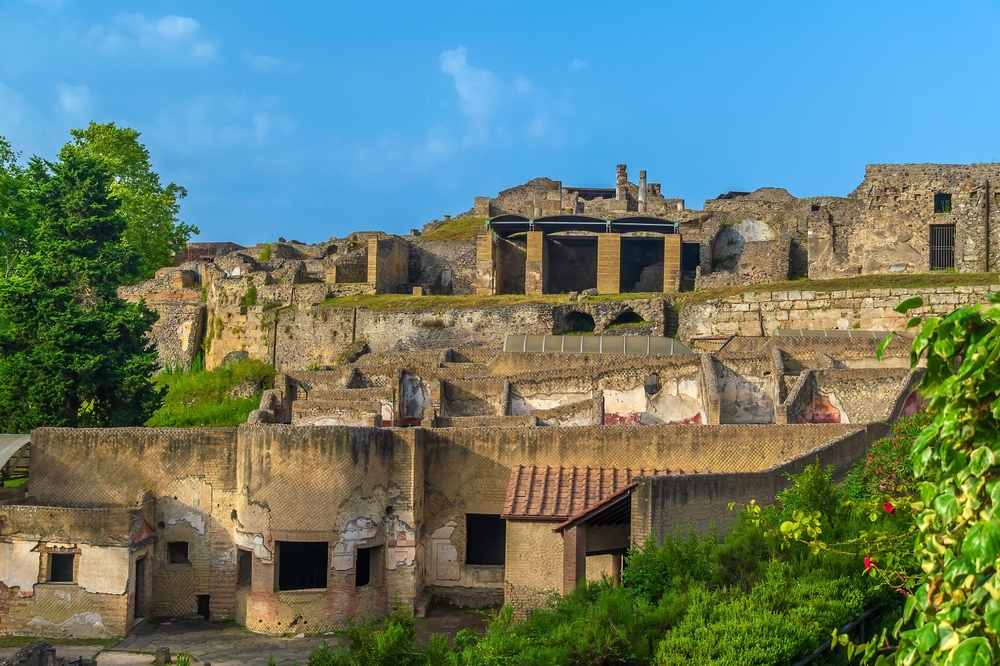
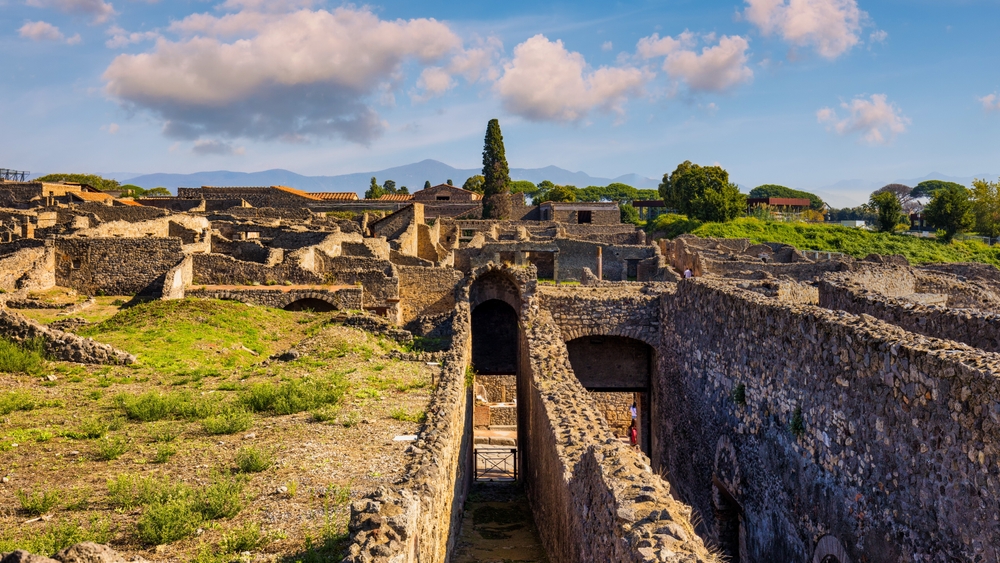
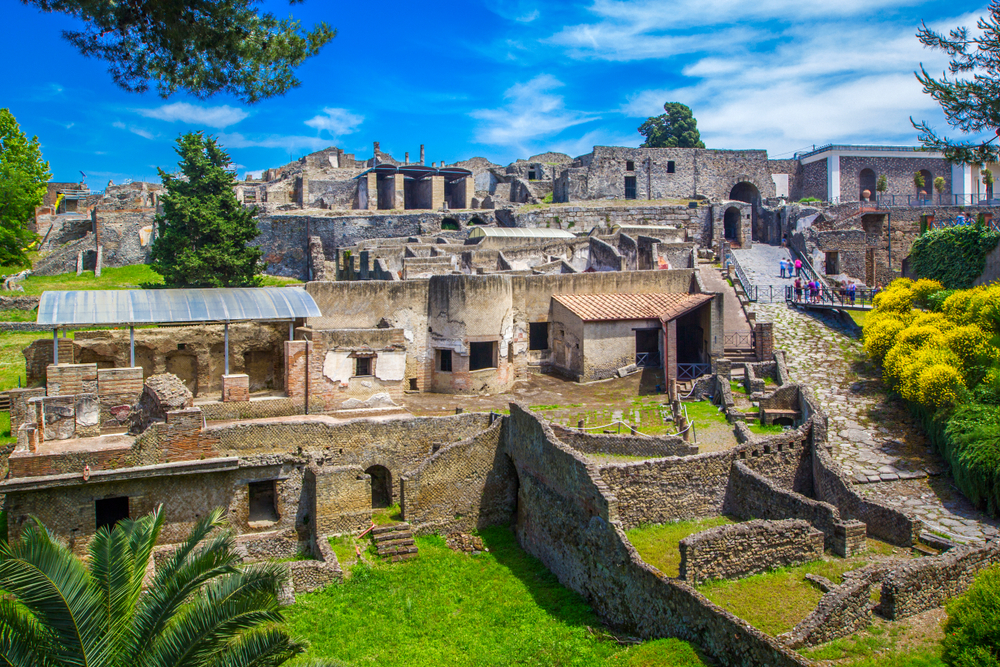 The vast ruins of Pompeii — once home to 11,000 Romans.
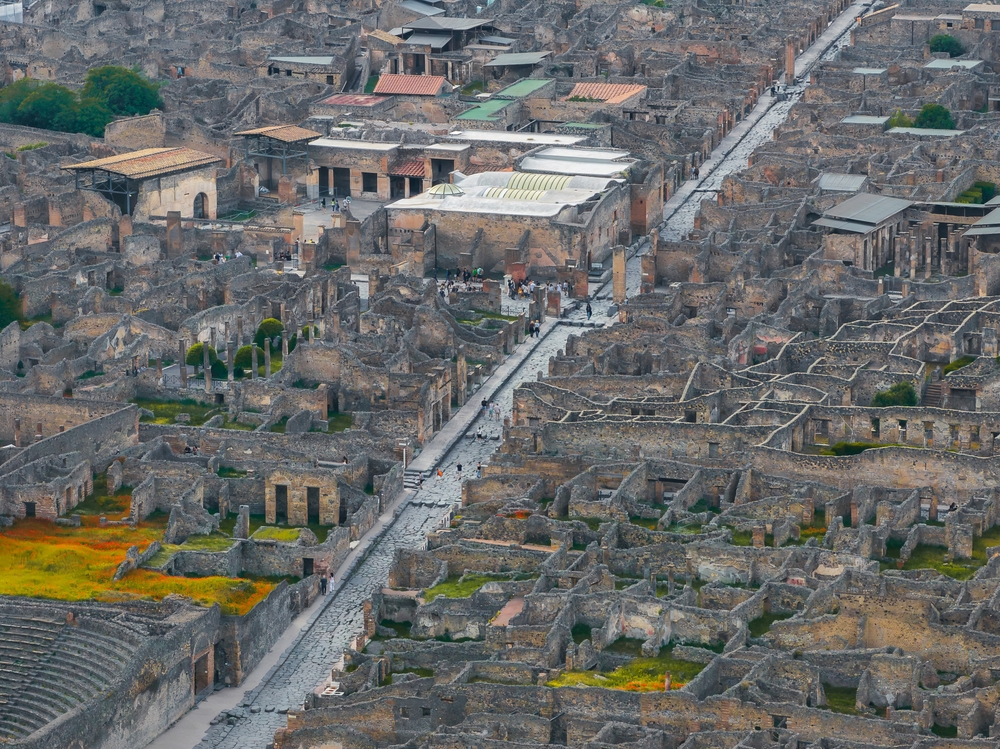 Aerial view revealing the careful urban planning of the ancient city.
Streets & Architecture
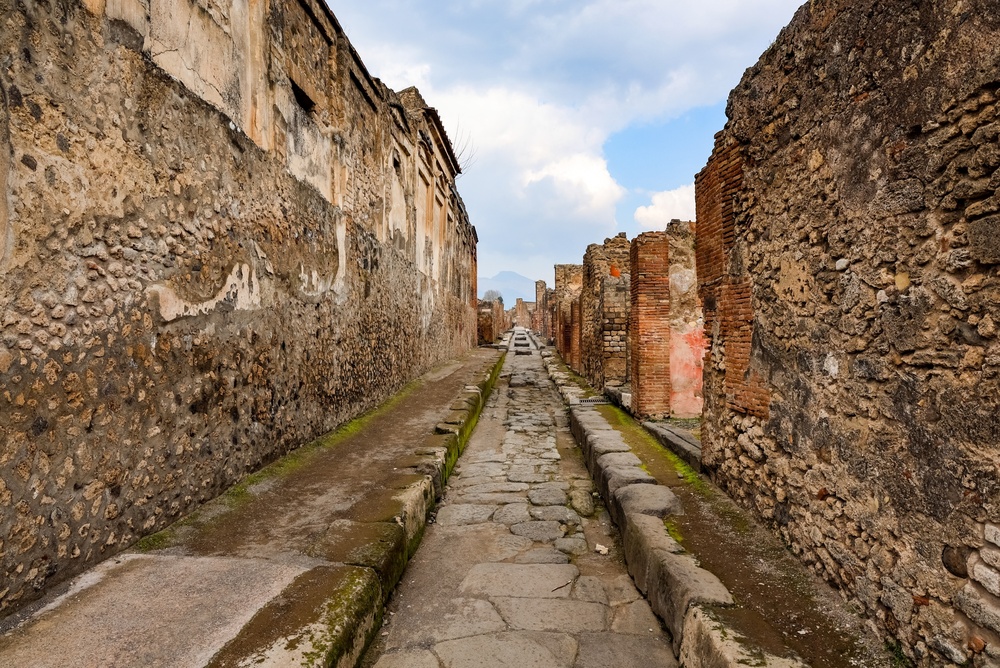
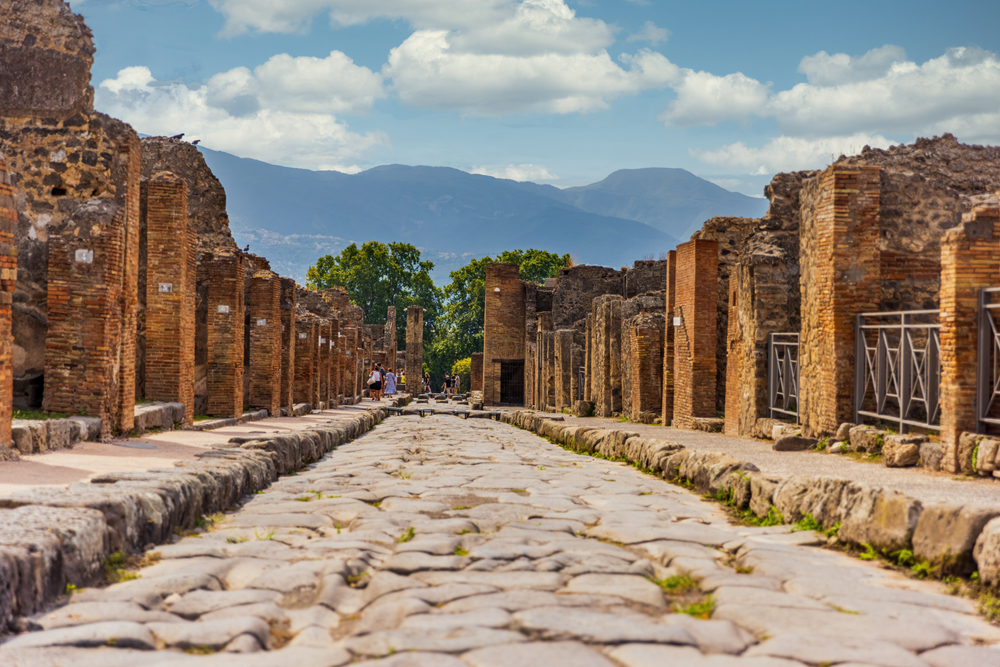
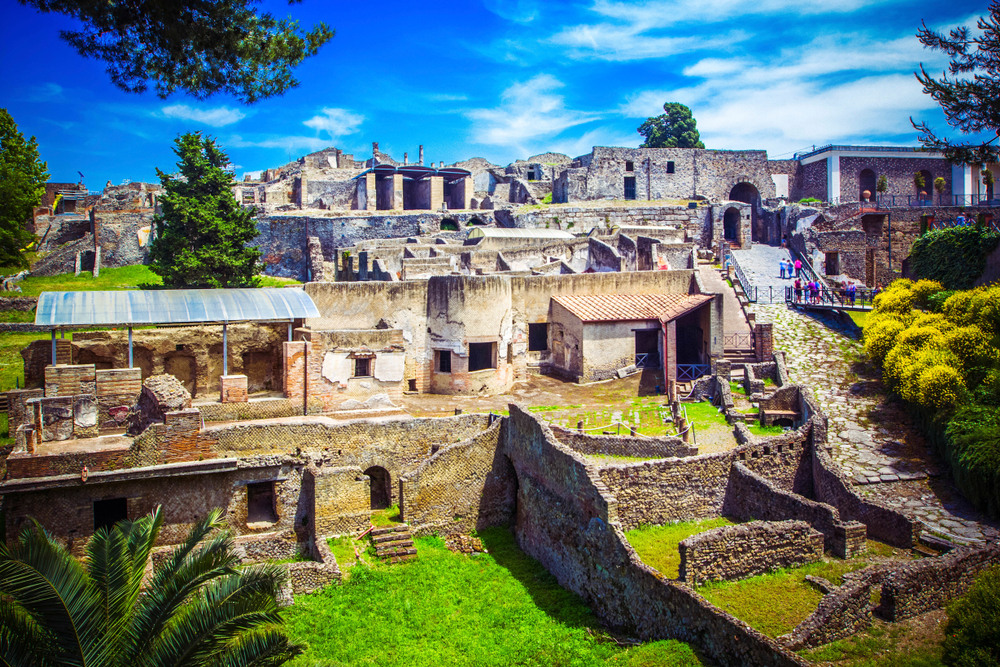 The stepping stones that Romans used to cross streets — chariot ruts still visible.
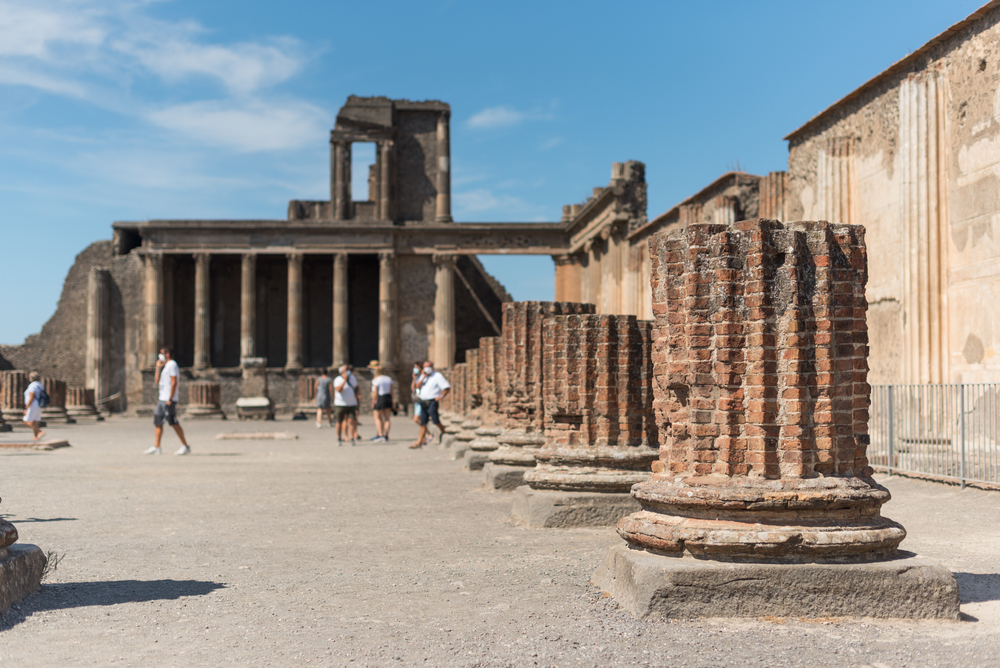
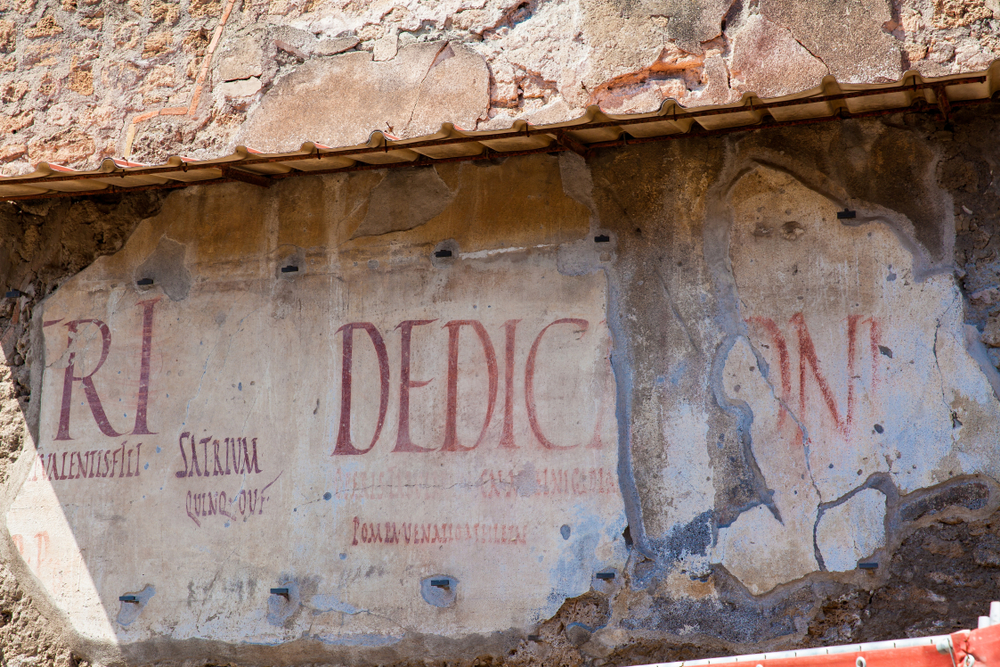 The Forum — the political, religious, and commercial heart of Pompeii.
Buildings & Interiors
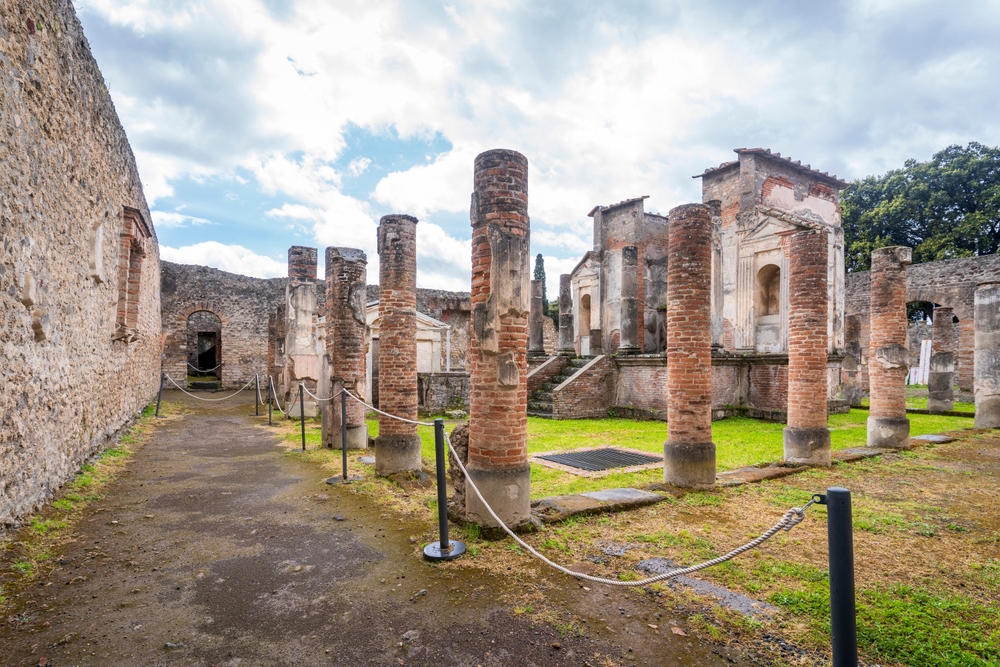 Inside a wealthy Roman domus — remarkably preserved after nearly 2,000 years.
 The peristyle garden — where Romans enjoyed nature within their homes.
Art & Decoration
 Pompeii's frescoes reveal the artistic mastery of Roman painters.
 Roman mosaics — each tesserae placed by hand nearly 2,000 years ago.
Monuments
 The Amphitheatre of Pompeii, built around 80 BC — older than the Colosseum.
 Temple ruins in Pompeii's religious precinct.
Mount Vesuvius
 The ever-present shadow of Vesuvius — the volcano that destroyed Pompeii and could erupt again.
The Human Story
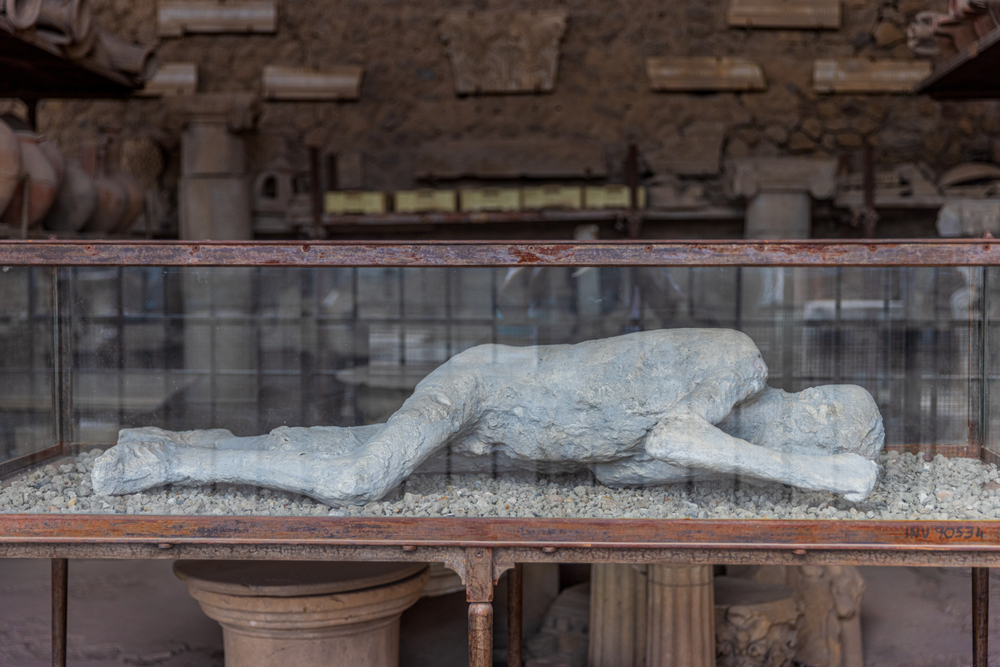
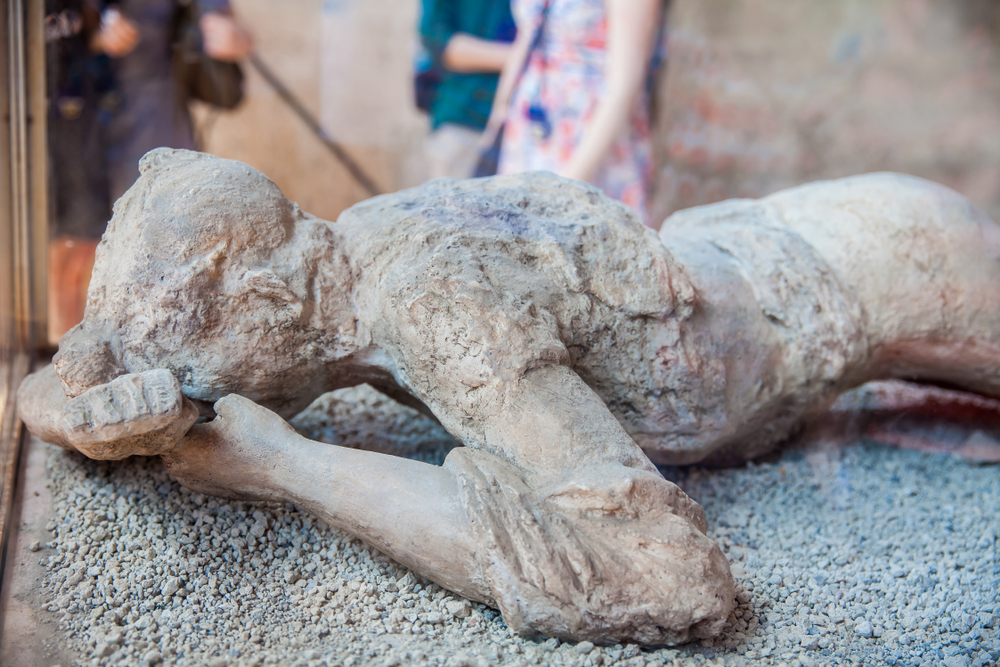
 Giuseppe Fiorelli's plaster cast technique revealed the human tragedy of 79 AD.
Photography Tips
- Best times: Early morning (opening time) and late afternoon offer the best light and fewest crowds
- Golden hour: The warm late-afternoon light is particularly beautiful on the warm-toned stone and plaster of Pompeii's buildings
- Wear comfortable shoes: You will be walking on uneven surfaces while looking through a viewfinder
- Bring a wide-angle lens for interiors and panoramic views, and a telephoto for architectural details
- Respect restrictions: No flash in enclosed spaces, no drones, no tripods without permission
Skip-the-Line Ticket with Audio Guide
Planning a visit today? Book an instant mobile ticket with self-guided audio tour and map.
Frequently Asked Questions
Can you take photos in Pompeii?
Yes, photography for personal use is allowed throughout the archaeological site. No flash photography is permitted inside enclosed spaces with frescoes. Tripods and professional equipment may require special permission from the park administration.
What are the best photo spots in Pompeii?
The most iconic photo spots include the Forum with Vesuvius in the background, Via dell'Abbondanza (the ancient main street), the Amphitheatre, the Villa of the Mysteries frescoes, the plaster casts in the Granary of the Forum, and the stepping stones on the ancient streets.