Stabian Baths Pompeii — The Oldest Bath Complex
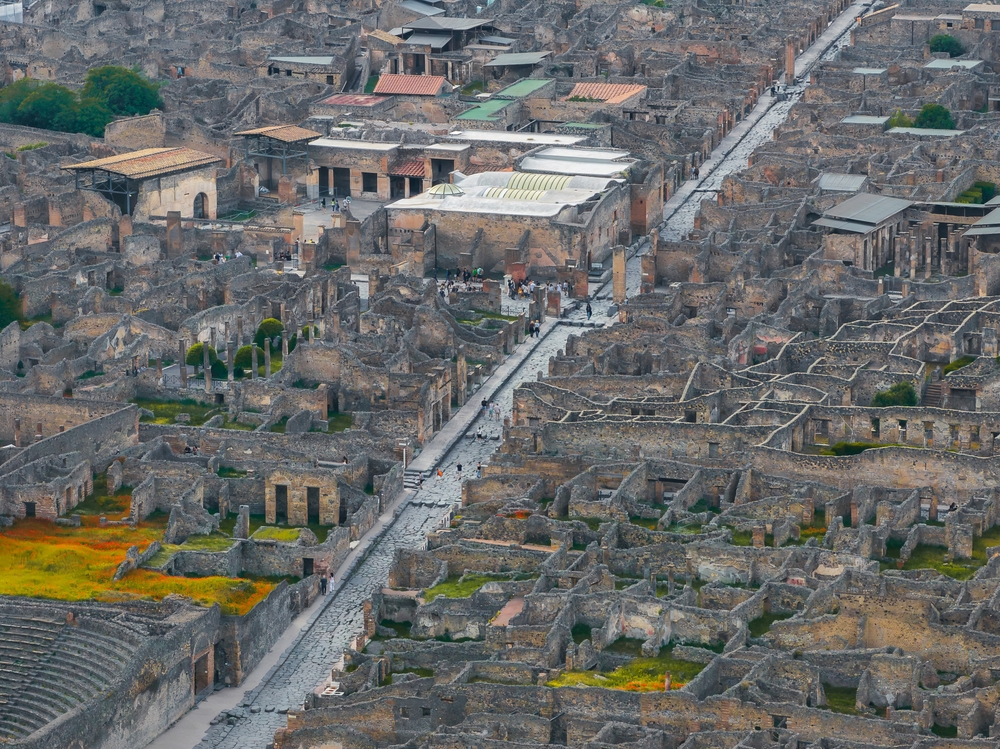
The Oldest Baths in Pompeii
The Stabian Baths (Terme Stabiane), in Region VII at the corner of Via dell'Abbondanza and Via Stabiana, are the oldest and largest bath complex in Pompeii. They offered separate men's and women's sections, the full sequence of changing and heated rooms, and a palaestra (exercise yard) — a complete picture of Roman bathing culture.
A Central Social Hub
Public baths were far more than places to wash. They were where Pompeians met friends, conducted business, exercised, and relaxed. The Stabian Baths sat at one of the busiest crossroads in the city, making them the natural gathering point for residents of the surrounding neighbourhoods. Their layout, refined over centuries, became the model that later Roman bath houses across the empire would follow.
The Sequence of Rooms
A typical visit moved through a series of progressively warmer spaces. The Stabian Baths included these key rooms:
| Room | Latin name | Function |
|---|---|---|
| Changing room | Apodyterium | Undress and store clothes in wall niches |
| Cold room | Frigidarium | Cold plunge to close the pores after bathing |
| Warm room | Tepidarium | Gentle warmth to acclimatise the body |
| Hot room | Caldarium | Hot, steamy room with a heated water basin |
| Exercise yard | Palaestra | Open court for sport and exercise before bathing |
Men's and Women's Sections
The complex was divided into two parallel suites — one for men and one for women — each with its own apodyterium, frigidarium, tepidarium, and caldarium. Both sections drew heat from a shared furnace and hypocaust system, in which hot air from wood-fired furnaces circulated beneath raised floors and through hollow wall tiles. This engineering let the Romans maintain very different temperatures in adjacent rooms.
The Palaestra and Pool
Beyond the bathing rooms lay a large open palaestra, an exercise yard surrounded by a colonnade where men trained, wrestled, and played ball games before bathing. A swimming pool (natatio) added to the recreational offering. Decorative stucco work and painted plaster survive in places, hinting at how richly finished these communal spaces once were.
Visiting Tips
The Stabian Baths sit centrally along Via dell'Abbondanza, so they fit easily into most walking routes through the site. Compare them with Pompeii's other bathing facilities described in our baths of Pompeii overview, and use them as a window into daily Roman life. Look up to see surviving vaulted ceilings and down to spot the raised floors of the hypocaust heating system.
Pompeii: Small Group Tour with an Archaeologist
See it with an expert — a small-group walk through Pompeii led by a professional archaeologist.
Frequently Asked Questions
What are the Stabian Baths in Pompeii?
The Stabian Baths (Terme Stabiane) are the oldest and largest bathing complex in Pompeii, located in Region VII at the corner of Via dell'Abbondanza and Via Stabiana. They feature separate men's and women's sections, the standard sequence of heated rooms, and a large palaestra for exercise before bathing.
What rooms did the Stabian Baths have?
Bathers passed through an apodyterium (changing room), a frigidarium (cold room), a tepidarium (warm room), and a caldarium (hot room). The complex also included a palaestra, or exercise yard, where visitors worked out before bathing, plus a swimming pool and service areas for heating the water.
Why were Roman baths separated by gender?
Roman public baths often had separate men's and women's sections so the sexes could bathe in privacy. The Stabian Baths achieved this with parallel suites of rooms sharing the same heating system. Where separate facilities did not exist, men and women sometimes used the baths at different times of day.
Where are the Stabian Baths located in Pompeii?
They stand in Region VII at the busy crossroads of Via dell'Abbondanza and Via Stabiana, near the centre of the city. This central position made them easy to reach for most residents and explains their importance as a social hub in everyday Pompeian life.