Antiquarium of Pompeii — On-Site Museum Guide
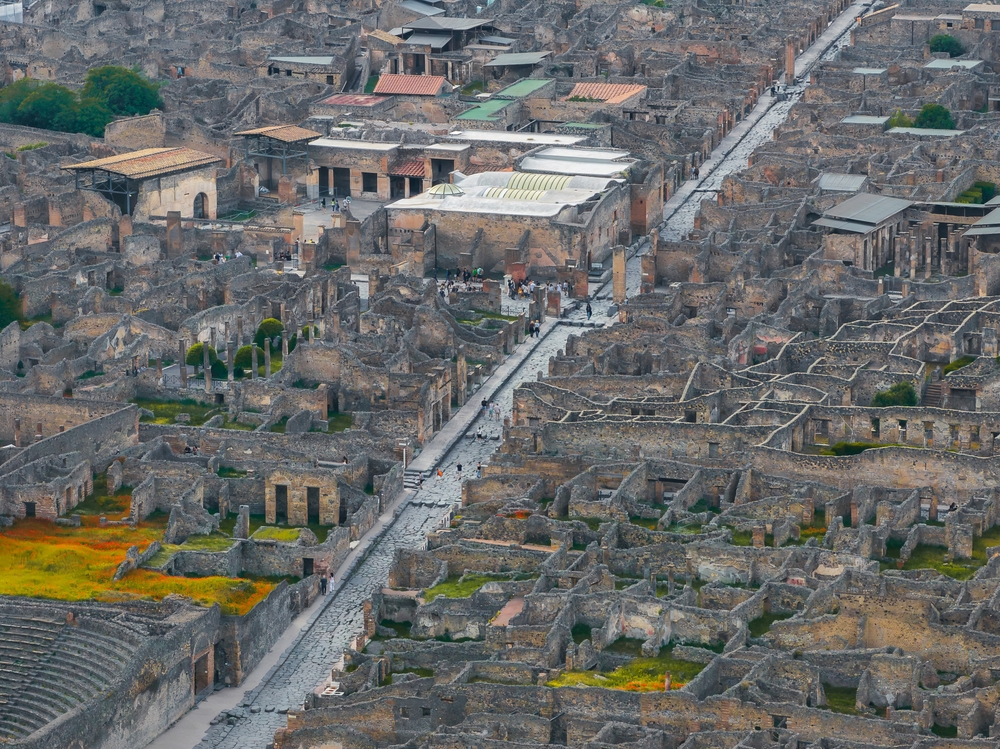
What Is the Antiquarium of Pompeii?
The Antiquarium is Pompeii's on-site museum, located just inside the Porta Marina entrance. It displays finds excavated from the ancient city — frescoes, silver, everyday objects, and body casts — arranged chronologically to chart Pompeii's history from its Samnite origins to the AD 79 eruption of Vesuvius.
A Museum With a Difficult History
The Antiquarium has one of the longest and most interrupted histories of any building in the Archaeological Park. It first opened in 1873, in the early decades of organized excavation, as a place to display the most striking discoveries beside the ruins themselves.
Its story since then mirrors the misfortunes of the wider site. The museum was damaged during the Second World War, when Allied bombing in 1943 struck parts of Pompeii, and again by the 1980 Irpinia earthquake, which forced it to close for decades. After a long period of neglect, it reopened in 2016, and then again in 2021 as a permanent museum — a definitive home for some of the park's finest portable finds.
What You Will See Inside
The Antiquarium's displays are organized to walk you through the life and death of the city. Because everything is shown a few steps from where it was found, it is the ideal first stop to set the context for the rest of your visit.
Highlights include:
- Frescoes and painted panels lifted from the walls of Pompeii's houses, showing the city's wealth and artistic taste.
- Silver tableware and household objects that reveal the daily life of prosperous Roman families.
- Plaster body casts of eruption victims, capturing their final postures in the ash.
- Everyday items — lamps, glassware, tools and coins — recovered from homes, shops and streets.
- Material from recent excavations, including finds from the ongoing Regio V and Civita Giuliana digs.
Planning Your Visit
The Antiquarium stands beside Porta Marina, the gate closest to the Pompei Scavi – Villa dei Misteri Circumvesuviana station (about 36 minutes from Naples). Because it is one of the first buildings you reach, most visitors tour it before walking into the ruins.
| Detail | Information |
|---|---|
| Location | Inside Porta Marina entrance |
| Admission | Covered by standard park ticket |
| Best time to visit | First thing, to set context |
| Nearest station | Pompei Scavi – Villa dei Misteri |
The Antiquarium pairs naturally with a trip to the National Archaeological Museum of Naples (MANN), where many of Pompeii's most celebrated treasures are housed. Confirm opening hours and any temporary closures on the official site, pompeiisites.org, before you travel.
Pompeii: Small Group Tour with an Archaeologist
See it with an expert — a small-group walk through Pompeii led by a professional archaeologist.
Frequently Asked Questions
What is the Antiquarium of Pompeii?
The Antiquarium is Pompeii's on-site museum, located just inside the Porta Marina entrance. It presents finds excavated from the city — frescoes, silver, everyday objects and body casts — arranged to tell the story of Pompeii from its origins to the AD 79 eruption of Vesuvius. It reopened as a permanent museum in 2021.
Where is the Antiquarium located?
The Antiquarium sits beside the Porta Marina entrance, the gate closest to the Pompei Scavi – Villa dei Misteri train station on the Circumvesuviana line from Naples and Sorrento. It is one of the first stops most visitors reach when entering the Archaeological Park.
Is the Antiquarium included in the Pompeii ticket?
Yes. The Antiquarium is inside the Archaeological Park and is covered by the standard adult ticket. No separate admission is required. Always confirm current opening hours and ticket details on the official site, pompeiisites.org, before you visit.
Can you see body casts at the Antiquarium?
Yes. The Antiquarium displays several plaster casts of eruption victims, formed by pouring plaster into the cavities left in the ash by decomposed bodies. These casts are among the museum's most moving exhibits and capture the final moments of Pompeii's residents.