Pompeii Aftermath — What Happened After the Eruption
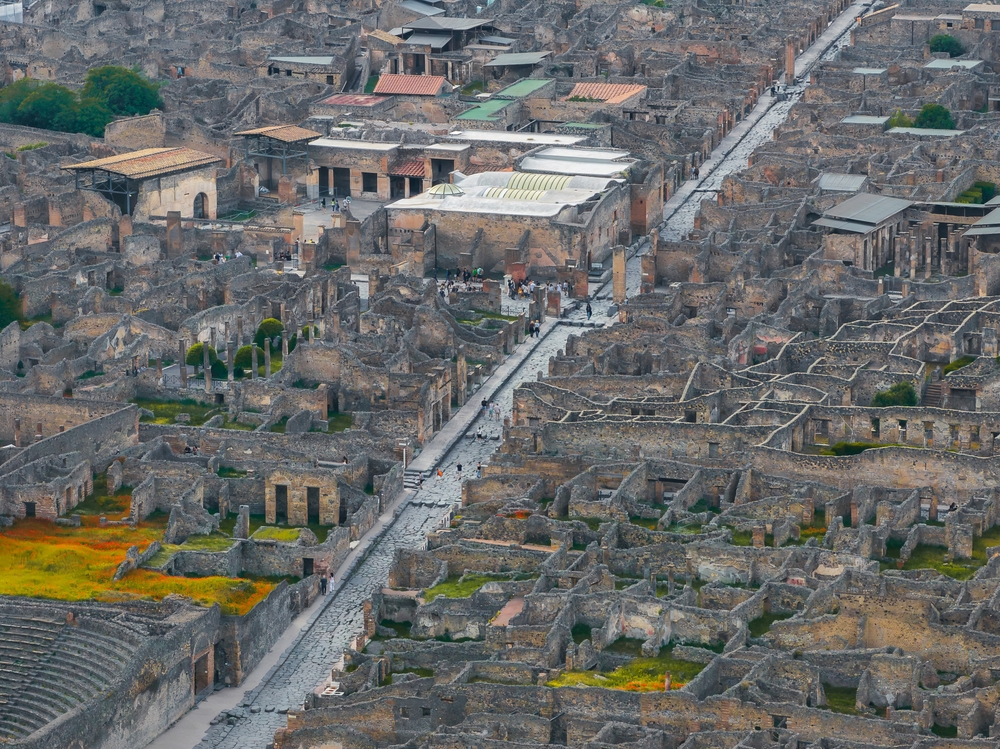
What Happened to Pompeii After the Eruption?
After the 79 AD eruption of Mount Vesuvius, Pompeii lay buried under roughly 4 to 6 metres of ash and pumice. Survivors who had fled relocated to nearby towns, the Emperor Titus organised relief for the region, and the site was partly scavenged in antiquity. Then Pompeii was abandoned, forgotten and lost for about 1,500 years until its rediscovery.
The eruption did not just damage the city; it erased it from the landscape. Where streets and rooftops had stood, there was now a smooth, grey blanket of volcanic debris. The shoreline shifted, the River Sarno changed course, and the familiar geography of the area was transformed.
The Immediate Days and Weeks
In the hours after the disaster, the surrounding region was in chaos. Refugees who had escaped Pompeii, Herculaneum and the smaller towns crowded into surviving communities such as Naples, Nola and Cumae. Roman administration moved quickly to respond:
- Imperial relief. Titus, who had become emperor only weeks earlier, appointed officials (curatores) to oversee recovery and aid for the devastated Campanian towns.
- Use of victims' estates. Ancient sources record that the property of those who died without surviving heirs was directed toward helping the affected region.
- Resettlement. Displaced survivors rebuilt their lives elsewhere rather than returning to the buried towns, which were no longer habitable.
Scavenging and Slow Forgetting
The buried city was not entirely abandoned at first. In the months and years that followed, people tunnelled back into Pompeii to recover what they could: marble facings, statues, bronze fittings and other valuables. Excavators later found holes broken through walls and rooms stripped of their decoration, evidence of this ancient salvage work.
But no new town rose on the site. Vegetation reclaimed the surface, farmers worked the fertile volcanic soil above the ruins, and the precise location of Pompeii gradually slipped out of common knowledge. The name survived in old texts and on a few maps, yet the city itself became a half-remembered story.
Timeline: From Eruption to Rediscovery
- 79 AD — Vesuvius erupts; Pompeii is buried under 4 to 6 m of ash and pumice.
- 79–80 AD — Titus organises relief; survivors resettle in surrounding towns.
- Late 1st century — Salvagers tunnel into the buried city to recover valuables.
- 2nd century onward — The surface grows over; the site becomes farmland.
- Middle Ages — Pompeii's exact location is largely forgotten; the area is known locally as La Civita.
- 1599 — Architect Domenico Fontana cuts through ruins while digging a water channel, but the find is not pursued.
- 1748 — Systematic excavation finally begins, soon after work started at nearby Herculaneum.
Pompeii Before and After
The contrast is stark. Before, Pompeii was a bustling port town of roughly 11,000 people, full of shops, baths, temples and painted homes. After, it was a sealed and silent layer beneath the fields, its inhabitants either scattered across Campania or preserved forever where they fell. That long burial is precisely what kept the city so complete, setting the stage for one of history's most important archaeological discoveries.
Pompeii: Small Group Tour with an Archaeologist
See it with an expert — a small-group walk through Pompeii led by a professional archaeologist.
Frequently Asked Questions
What happened to Pompeii after the eruption?
After the 79 AD eruption, Pompeii lay buried under 4 to 6 metres of ash and pumice. Survivors who had fled resettled in nearby towns, the Emperor Titus organised relief, and the site was partly scavenged in antiquity. Over time it was abandoned, forgotten, and lost for roughly 1,500 years until its rediscovery.
Did anyone return to Pompeii after it was buried?
Yes. In the months and years after the eruption, people tunnelled back into the buried city to recover valuables, statues and building materials, leaving holes through walls and missing marble. But no town was rebuilt on the site. The surface eventually grew over and the location of Pompeii faded from memory.
What did Emperor Titus do after the eruption?
Emperor Titus, who had just become emperor in 79 AD, responded to the disaster by appointing officials to organise relief and recovery for the devastated region around the Bay of Naples. Roman sources record imperial aid, and the property of victims who died without heirs was reportedly used to help the survivors.
How long was Pompeii buried before being rediscovered?
Pompeii remained buried and largely forgotten for roughly 1,500 years. Although chance finds occurred earlier, systematic rediscovery began only in 1748. For most of that time the area was farmland, with locals unaware that a complete Roman city lay just metres beneath their fields.