Where Are the Bodies in Pompeii? Where to See Casts
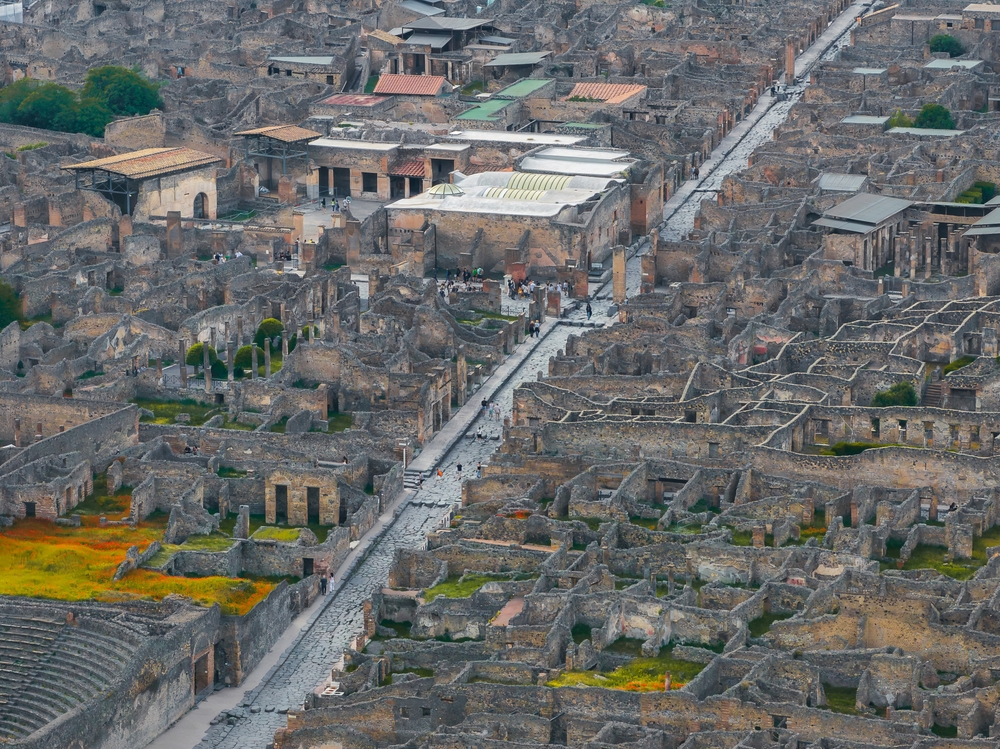
Where to See the Pompeii Bodies: The Short Answer
The Pompeii body casts are displayed across the archaeological site, not in a single hall. The most powerful spots are the Garden of the Fugitives in Region I, where thirteen victims lie where they fell; the Antiquarium museum near the Porta Marina entrance; and the Forum granary (Horrea), where casts are stored behind grilles and visible to visitors.
Because the casts are scattered, seeing them is part of walking the ruins themselves. Plan a route that links these locations rather than expecting one "bodies room." Below is a practical guide to where the Pompeii casts can be found and what each location offers.
Key Locations for the Casts
| Location | Region / area | What you see |
|---|---|---|
| Garden of the Fugitives | Region I (east) | 13 victims displayed where they died fleeing |
| Antiquarium | Near Porta Marina entrance | Several casts in a museum setting with context |
| Forum granary (Horrea) | The Forum | Casts and amphorae stored behind metal grilles |
| Stabian Baths | Central Pompeii | Casts occasionally displayed in the bath rooms |
Garden of the Fugitives
The Garden of the Fugitives is the most affecting place to see the casts. In a former vineyard in the far east of the city, thirteen people were overtaken by the pyroclastic surge as they tried to escape. Their casts are arranged behind glass roughly where they fell, including adults shielding children — a frozen tableau of the eruption's final moments.
The Antiquarium and the Forum Granary
- Antiquarium: Just inside the Porta Marina entrance, this on-site museum displays several casts in good light alongside artifacts and panels that explain the 79 AD eruption. It is an ideal first or last stop.
- Forum granary (Horrea): In the Forum, the old granary now serves as a store for finds. Numerous casts of victims, plus amphorae and architectural fragments, sit behind metal grilles, clearly visible as you pass.
- Stabian Baths and other points: Individual casts are sometimes shown elsewhere on site, including the Stabian Baths. Displays rotate, so check signage on the day.
Beyond the Site: Naples
Most casts remain in the park, but the National Archaeological Museum of Naples (MANN) holds the richest movable treasures — frescoes, mosaics and everyday objects from Pompeii. Pairing the casts on site with the museum in Naples gives the fullest picture of the city and its people. Confirm current cast displays and opening details on the official pompeiisites.org before you go, as items move between locations and temporary exhibitions.
Pompeii: Small Group Tour with an Archaeologist
See the casts and the city with an expert — a small-group walk through Pompeii led by a professional archaeologist.
Frequently Asked Questions
Where are the bodies in Pompeii?
The plaster casts are spread across the archaeological park rather than gathered in one room. Key spots are the Garden of the Fugitives in Region I, the Antiquarium near the Porta Marina entrance, and the Forum granary (Horrea), where casts are stored behind metal grilles and visible to visitors.
Where is the best place to see the Pompeii casts?
The Garden of the Fugitives is the most striking single location: thirteen victims caught fleeing the eruption are displayed where they fell. For an indoor, well-lit view, the Antiquarium museum near Porta Marina shows several casts alongside finds explaining the 79 AD disaster.
Can you see the famous Pompeii dog cast on site?
The cast of the chained guard dog has been displayed at the Antiquarium and in temporary exhibitions. Locations rotate, so check current displays at the Antiquarium or the site information points. Always confirm what is on show on the official pompeiisites.org website before you visit.
Are any Pompeii bodies in the Naples museum?
Most casts stay within the Pompeii archaeological park, but the National Archaeological Museum of Naples (MANN) holds many of the richest finds, frescoes and artifacts from the city. It is the natural complement to seeing the casts on site and worth a separate visit while in the region.