Are the Pompeii Bodies Real? Casts vs Statues
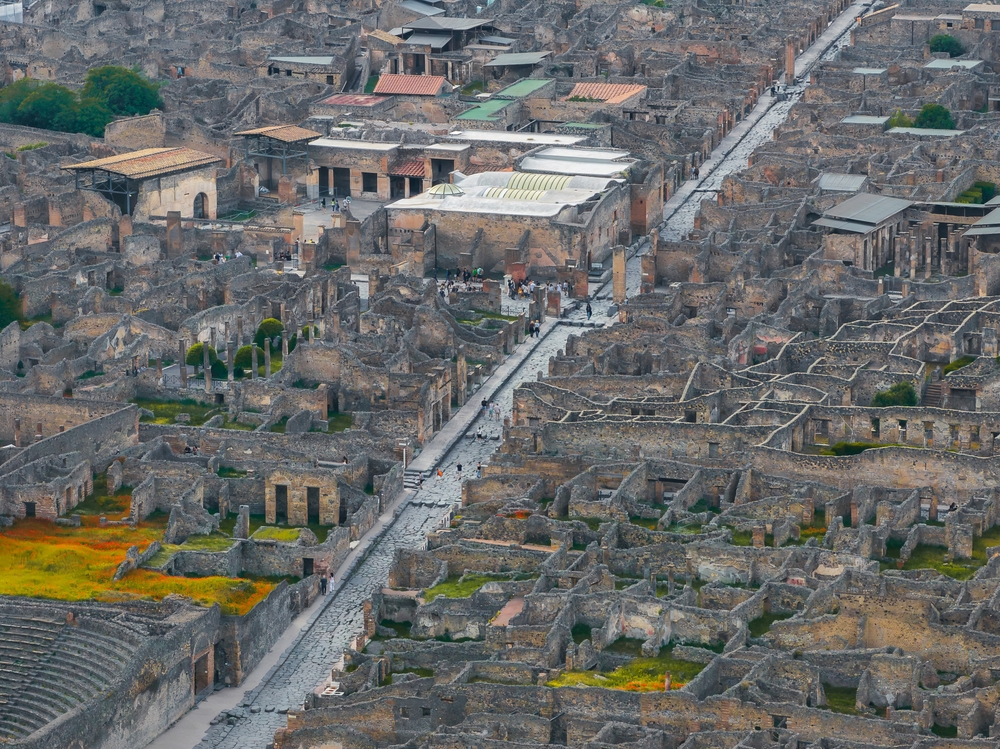
Are the Pompeii Bodies Real? The Short Answer
Yes, the Pompeii bodies are real. Each cast is a plaster shell formed inside the actual cavity a victim's body left in the hardened ash, and the person's real bones are usually still encased within the plaster. The casts are not statues or replicas — they are genuine human remains, given their lifelike shape again by the casting process.
The confusion is understandable. A finished cast looks like a pale sculpture, so visitors often ask whether it is "real or fake." The answer is that it is both made and real at once: the plaster is modern, but it captured the exact outline of a real person and set around their actual skeleton.
Why the Casts Count as Real Remains
- The ash recorded the precise outer shape of each victim before the soft tissue decayed.
- Pouring plaster into that void reproduced the body's exact pose, down to facial expression and clothing folds.
- The bones inside were not removed — the plaster flowed around them, so most casts literally contain a real skeleton.
- This makes a cast part record, part relic: a faithful, physical trace of a specific human being who died in 79 AD.
For the full step-by-step of how this was done, see how the casts are made.
Casts Versus Statues: Three Different Things
It helps to separate three categories that visitors often blur together:
| Object | Origin | Is it ancient? |
|---|---|---|
| Body casts (people, animals) | Plaster poured into real cavities, bones inside | Bodies are real; plaster is modern |
| Ancient marble/bronze statues | Roman sculpture found in Pompeii | Yes, genuinely ancient |
| Mitoraj sculptures | Modern art by Igor Mitoraj | No, contemporary installations |
The ancient statues — marble figures and bronzes recovered from temples, houses and the Forum — are genuine Roman artifacts; see the page on Pompeii's ancient statues. By contrast, the striking fragmented bronze figures by Igor Mitoraj that have been placed among the ruins are modern sculptures, exhibited as contemporary art, not unearthed antiquities.
The Bottom Line
So when someone asks whether the Pompeii casts are real bodies, the honest answer is yes: they are real people, preserved as an ash cavity and a skeleton, then made visible in plaster. They are not fakes, not pure statues, and not the modern Mitoraj artworks. That authenticity is exactly why they remain the most moving sight in the entire archaeological park.
Pompeii: Small Group Tour with an Archaeologist
See the casts and the city with an expert — a small-group walk through Pompeii led by a professional archaeologist.
Frequently Asked Questions
Are the Pompeii bodies real?
Yes. Each cast is a plaster shell formed inside the real cavity a victim's body left in the hardened ash, and the person's actual bones are usually still encased within the plaster. The casts are not statues or replicas — they are genuine human remains given shape again.
Are the Pompeii casts real bodies or fake?
They are real. When the soft tissue decayed it left a void; plaster poured into that void preserved the exact pose, while the skeleton stayed inside. So a cast is part sculpture, part skeleton — a faithful record of a real person, not a fabricated or fake figure.
Are the statues in Pompeii real?
It depends which statues. Ancient marble and bronze statues found in Pompeii are genuine Roman artifacts. The modern bronze figures by sculptor Igor Mitoraj that have stood among the ruins are contemporary art installations, not ancient. The body casts are a third, separate category entirely.
Is there a skeleton inside each Pompeii cast?
Usually, yes. The plaster filled the soft-tissue cavity and set around the surviving bones, so most casts contain a real skeleton. Modern conservators sometimes use transparent resin instead of plaster precisely so that the bones and any artifacts inside can be seen and studied.